02.24.26 By Bridgenext PR Team
In the 1960s, media theorist Marshall McLuhan famously said, “the medium is the message.” His insight was simple, but profound: the way information is delivered, the channel through which a story travels , shapes how it is perceived.
Today, in a fragmented, multi-platform media landscape spanning television, print, radio and emerging channels, that idea is more relevant than ever. The same brand story must feel native to each channel while remaining cohesive across platforms. Understanding how each medium influences trust, attention, and engagement is critical to building campaigns that truly resonate. Today’s communicators need to adapt their story so each medium feels like a natural fit, while still reinforcing a unified brand voice.
Each platform brings unique expectations, shaping how audiences receive a message.
TV & Streaming
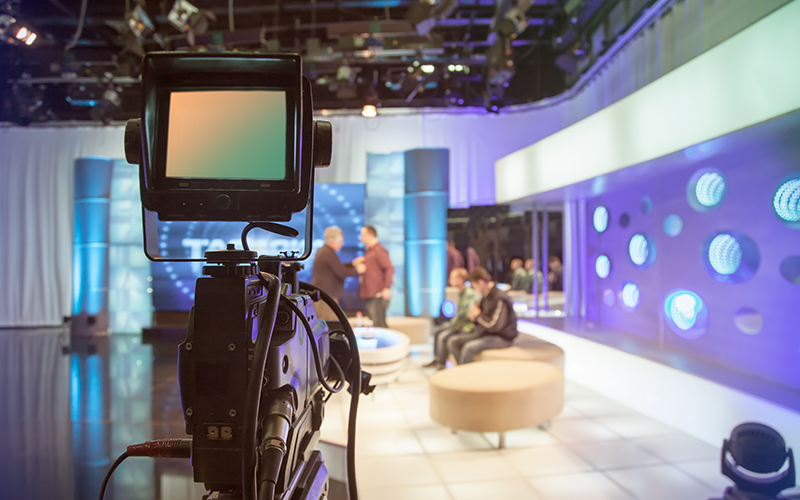
High production value, expert spokespeople, and structured storytelling establish authority and credibility, making these platforms ideal for thought leadership and broad awareness.
Radio & Podcasts
Audio is intimate and voice-driven. Tone, pacing, and clarity create a personal connection, building recall and trust over time.
Social Platforms (YouTube, Instagram, LinkedIn)
Social media is interactive, visual, and highly shareable. Short-form, personality-driven content encourages engagement and allows audiences to encounter a brand story on their own terms.
Key takeaway: It’s not just that audiences use platform differently, the medium actually frames the message itself. Each channel subtly reframes your idea, making thoughtful adaptations as important as the concept itself.
A media campaign succeeds when each element is tailored to its platform. Spokesperson, story, format, and distribution must be strategically aligned so the message feels native everywhere it appears.
Bridgenext approaches this by:
The goal isn’t just reach, it’s resonance.
At the center of a strong campaign is the media tour, which not only anchors the story but also generates the content that powers every other element of the program. This approach echoes ideas in Bridgenext’s blog on why satellite media tours remain indispensable: traditional broadcast formats still drive credibility and connection, especially when woven into hybrid strategies that repurpose clips across digital channels.
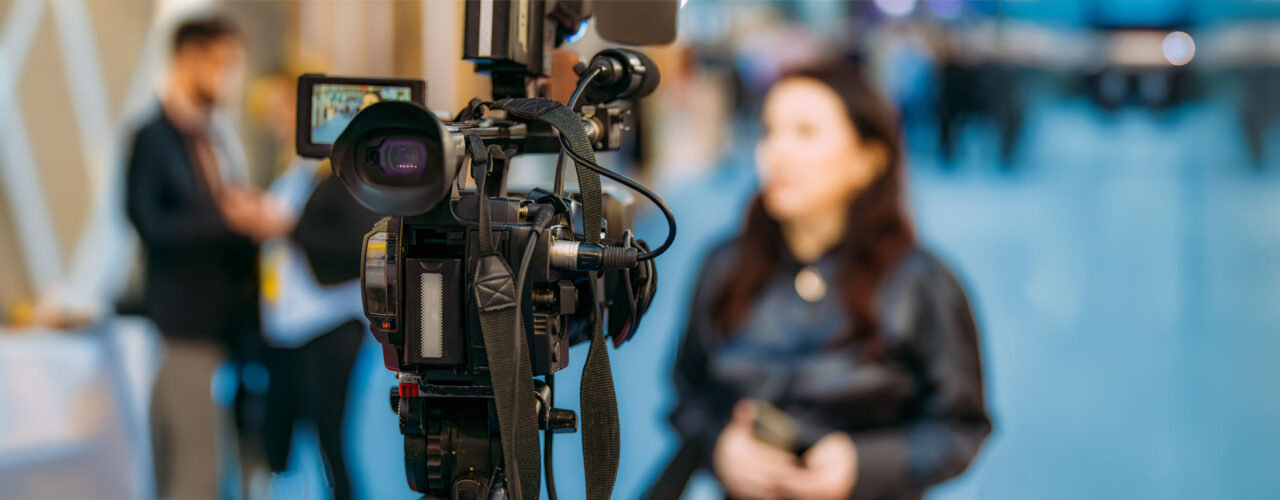
Expert interviews on TV and radio establish credibility and introduce the message through trusted voices. Content distribution then extends the life and reach of these moments via nationally shared TV NewsBreaks, Audio News Releases, and streaming placements designed for today’s viewing and listening habits.
Social platforms personalize and amplify the story. Short-form clips or sizzle reels, captured during the media tour and layered with select interview moments and behind-the-scenes content, translate the message into a more conversational, shareable format that deepens engagement.
Each medium plays a distinct role, but together they create a connected narrative, demonstrating that campaigns don’t just deliver a message, they leverage each platform’s strengths to shape how it is perceived, reinforcing McLuhan’s idea that the medium itself is part of the story.
Strategic platform alignment transforms a series of media appearances into high-impact, multi-platform storytelling. Effective storytelling isn’t just about what you say, it’s about where and how you say it.
In practice, making platform-aware storytelling work requires more than creative ideas. It demands a clear understanding of how broadcast, audio, digital, and social channels work together, and how to design content that moves naturally across them without losing impact. That’s where Bridgenext’s media and PR expertise comes in. By supporting brands across television, radio, streaming, social, and content distribution, the team builds campaigns designed for today’s fragmented media landscape – not as separate tactics, but as a connected ecosystem where each medium strengthens the story.