09.24.25 By Nandakumar Sivaraman

Margins in logistics are measured in seconds and dollars. Product managers from every division often surface data needs that require deep dives into numerous disparate systems, each carrying its own version of the truth. It often results in conflicting reports, delayed insights, and strategies built on shaky foundations. It usually starts with an email. Subject lines that add chaos to the morning rush:
“Shipment delays: Missing scan data from hub”
“Customer escalation: No real-time tracking update”
“Supply issue: Inventory data mismatch”
“Audit reminder: Compliance gaps flagged”
The subject lines vary, but the underlying theme is constant, data problems are affecting decision making, eroding customer trust, and driving up costs. The issue isn’t effort but trust. Leaders make calls with data that doesn’t reflect the reality on the ground, creating costly blind spots.
So, how do you get your data house in order?
Most transportation and logistics organizations are still managing data in traditional silos or legacy warehouses. They weren’t built for the speed, scale, or complexity of today’s logistics landscape. Every new integration, from IoT devices and GPS trackers to digital invoices and customer portals, adds more layers of friction.
What logistics leaders need isn’t another patch. They need a foundation that can enable:
The hard truth? A modernized data foundation is the baseline for operational excellence, regulatory readiness, and every future-facing initiative, including Generative AI and other AI initiatives.
Unlike traditional architecture, it brings together the best of data lakes (flexibility, scale, variety) and data warehouses (governance, reliability, analytics) into a single, unified platform.
Think of it as your central nervous system for your transportation and logistics data. Instead of juggling separate systems for structured and unstructured information, a Lakehouse allows you to store, process, and analyze everything in one place.
Databricks goes beyond simply merging lakes and warehouses. Its Lakehouse platform is built on open standards, giving teams the freedom to scale without vendor lock-in. By unifying data engineering, analytics, and AI in one collaborative workspace, it eliminates the handoffs that slow down insights in traditional setups.
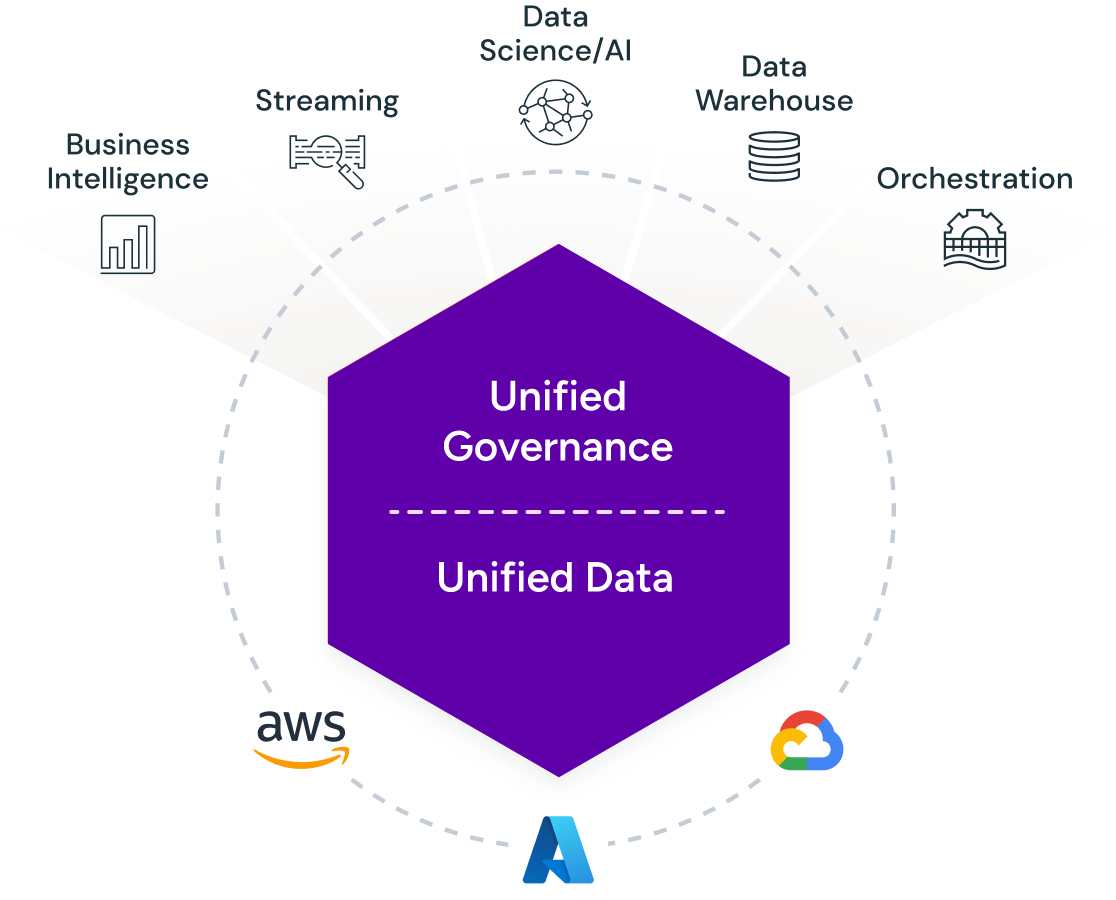
One of the biggest strengths of Databricks is that integrates well with the systems you already use.
This interoperability means you don’t need to rip-and-replace your tech stack; you simply unify it.
For transportation and logistics organizations, Lakehouse translates into direct business value:
The Lakehouse doesn’t just consolidate data, it restores trust. It ensures the data you see in the boardroom matches what’s happening in the warehouse, on the road, and at the customer’s door.
Transportation Insight, a Beon company, modernized its data architecture by migrating from a legacy ETL setup to a cloud-native framework using Databricks Delta Lake and Azure Data Factory, enabling unified, incremental processing and eliminating data silos. The result: reporting that used to take days now delivers in hours, costs are cut, and both clients and internal teams gain access to real-time insights.
Learn more about Databricks Delta Lake in action from the Transportation Insight Success Story.
Most T&L leaders are looking at how to employ Artificial Intelligence right now. Predictive maintenance, automated route optimization, and intelligent customer service are just a few of the real opportunities that exist. But here’s the reminder no one wants to hear: AI amplifies the data foundation you have in place.
If your data is fragmented, inconsistent, or mistrusted, AI won’t fix it, it will make those gaps larger and more visible. The Lakehouse isn’t just about data accessibility; it’s about creating the reliable data foundation that makes tomorrow’s AI initiatives work.
Over the years, we’ve worked with logistics firms of every shape and size. We’ve seen the ups and downs, the fire drills, and the transformation initiatives that promised the world but delivered little. Through it all, one truth has stood out: clarity of data is the single most valuable asset a logistics leader can have at their disposal. We know exactly what works to achieve it.
At Bridgenext, we know leaders don’t need another vendor promising transformation. What you need is clarity. That’s why we recommend starting with a Data Assessment, a practical step to bridge your current data reality with your future state goals.
Here’s what that looks like:
With this approach, data chaos becomes clarity, and clarity becomes action.
Your Operations moves fast. Your data should keep up. Don’t let mismatched, untrusted information hinder your success. Build a foundation that matches reality, so every decision, AI-powered or otherwise, moves your business forward.
Learn more about our Data Assessment or contact us for a conversation.